How to Choose a Trustworthy Jewelry Appraiser in Albuquerque
Find a Jewelry Appraiser You Can Actually Trust
Choosing someone to value your jewelry is a big deal. A good appraisal affects your insurance coverage, estate planning, divorce settlements, and what you can expect if you ever sell a piece. It is not just a number on paper; it is protection for things that often carry a lot of emotion and memories.
Around Albuquerque and Rio Rancho, many people own unique Southwestern and Native American jewelry, vintage turquoise, silver pieces, and custom designs. These items need an appraiser who understands local styles and materials, not just standard diamond rings. On top of that, summer often brings big life changes. Weddings, moves, and long trips are common times to review insurance and make sure your jewelry is properly documented.
Our goal here is simple. We want to help you feel confident choosing jewelry appraisers in Albuquerque, so you know what to look for, what to avoid, and what to ask before you book an appointment with anyone.
What Makes a Jewelry Appraiser Truly Qualified
Not every person who works with jewelry is trained to appraise it. A sales associate, a bench jeweler, and a gemologist all have different skills. The person you trust with an official value should have training in both gemstones and valuation methods.
Look for these types of qualifications:
-
Formal gemological education, such as a GIA Graduate Gemologist (GG) credential or a similar program
-
Appraisal-specific training focused on ethics, valuation theory, and report writing
-
Membership or involvement in recognized professional appraisal groups, such as NAJA, ASA, or ISA
A gemologist is trained to identify and grade stones. A jeweler can design, repair, and work at the bench. A professional appraiser understands both of those areas and also knows how to research markets, compare sales, and put a supportable value on paper for a specific purpose.
Good appraisers also keep learning. Jewelry values change with:
-
Shifts in gold, silver, and platinum prices
-
Style trends that affect demand for certain pieces
-
New standards for lab-grown diamonds and treated gemstones
When you ask about credentials, also ask what they do to stay current. A trustworthy appraiser will be comfortable explaining their education and how they keep their skills up to date.
How Professional Jewelry Appraisers Work
A professional appraisal is a process, not a quick glance. While everyone has their own routine, most reliable appraisers follow similar steps.
You can usually expect:
-
Intake and discussion about why you need the appraisal
-
Cleaning if needed, so details are easier to see
-
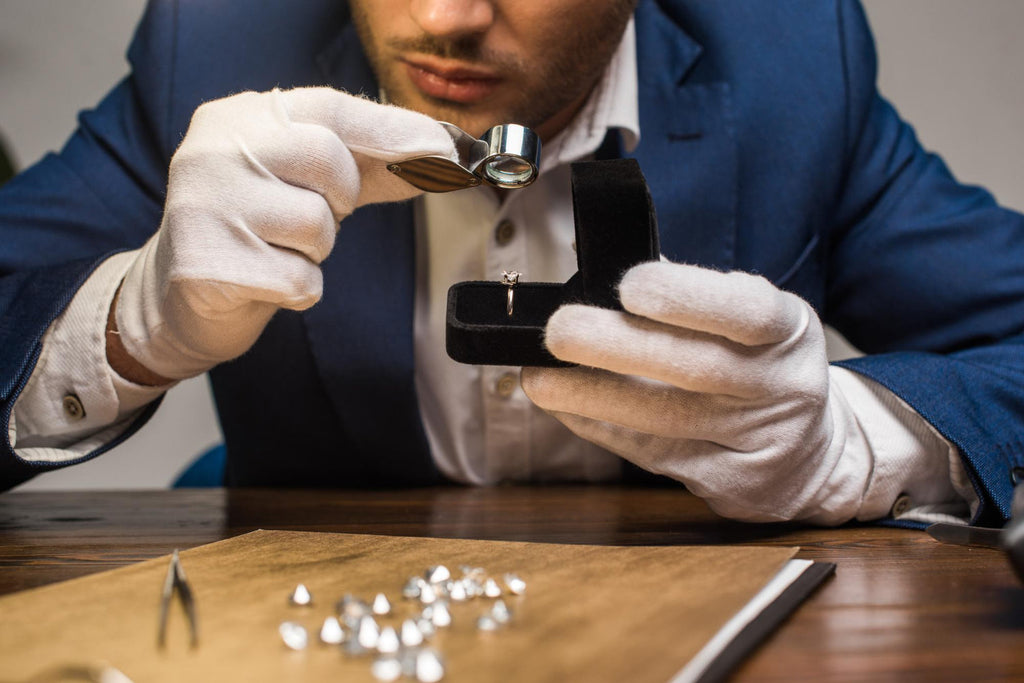
Inspection under magnification to check clarity, condition, and workmanship
-
Measurement of stones and settings
-
Testing of metal purity
-
Clear, detailed photographs of the jewelry
-
Research and preparation of a written report
The purpose of the appraisal affects the value reported. Common types include:
-
Insurance replacement value: what it would cost to replace the piece with something similar new
-
Estate or probate value: often based on fair market value for legal needs
-
Resale or liquidation value: what you might reasonably get if you sell in a normal or quick-sale situation
-
Divorce or property settlement value: usually tied to fair market value or another agreed standard
It is normal for the same ring to have different values depending on the purpose. That is not a trick; it is how valuation works.
A thorough written appraisal report should include:
-
A complete description of each piece, including style and measurements
-
Gemstone details, such as estimated weight, color, clarity, and cut
-
Metal type and purity, such as 14k yellow gold or sterling silver
-
Notes on any hallmarks, maker’s marks, or signatures
-
Clear color photos of the items
-
The type of value used and the purpose of the appraisal
-
The final value: the date, and the appraiser’s name and credentials
If a report leaves out important details or is hard to understand, you are not getting the level of documentation you need for insurance or legal use.
Red Flags When Choosing Jewelry Appraisers in Albuquerque
Most professionals want to do the right thing, but there are real warning signs to watch for, especially with jewelry appraisers in Albuquerque where many buyers target people with gold, silver, and Native American pieces.
Be careful if you see:
-
Fees based on a percentage of your jewelry’s value instead of time or number of items
-
No written credentials or refusal to show any training or memberships
-
Vague answers about how they work or what kind of report you will receive
-
No clear estimate for how long the process will take
Verbal quotes with no written report are another concern, especially if the person quickly follows with a strong offer to buy your jewelry on the spot. High-pressure gold buying, “today only” offers, or guilt tactics are not signs of a trustworthy professional.
Locally, you may also run into:
-
Pop-up hotel gold buyers that are in town for a short time
-
Traveling “antique” or “roadshow” style events that claim to pay top dollar
-
Unverified online ads targeting the Albuquerque area with promises of highest prices
These options might seem fast and easy, but they rarely provide detailed, written appraisals you can use for insurance or estates. If you feel rushed or uncomfortable, it is fine to walk away.
Smart Questions to Ask Before You Book an Appraisal
A good appraiser should welcome questions. Before you commit to an appointment, it helps to call or visit and ask a few key things to see if they are a good fit for your needs.
Useful questions include:
-
What are your credentials and training in gemology and appraisal work?
-
Are you a member of any appraisal organizations, and are there standards you follow?
-
What type of appraisal report will I receive, and how detailed is it?
-
Do you specialize in engagement rings, estate jewelry, Native American pieces, or something else?
Practical questions matter too:
-
How do you structure your fees?
-
How long does a typical appointment take?
-
Is the work done on-site, and will my jewelry leave the store?
-
Can I stay in the building while you examine my jewelry?
You can also ask about how often they suggest updating appraisals. Many people choose to review values after life changes such as marriage, inheritance, or a big summer move. It is also worth asking how they handle lab-grown diamonds compared to natural ones, since those markets are different and need careful explanation in reports.
Why Harris Jewelers Is a Trusted Local Choice
At Harris Jewelers in Rio Rancho, we work with fine jewelry, engagement rings, fashion pieces, custom designs, and estate items for people across the Albuquerque area. Our focus is on clear, accurate, and ethical valuation so your jewelry is properly documented for whatever life brings.
Because we also offer services like repairs, cleaning, and resizing, we can help make sure your jewelry is in good condition before it is appraised. That way, prongs, clasps, and settings are checked, and the piece can be worn and insured with confidence once the report is complete.
When you understand what to look for in a jewelry appraiser, it becomes much easier to protect the pieces that matter most to you and your family.
Protect Your Jewelry’s Value With Expert Appraisal
If you are ready to understand the true worth of your pieces, our certified jewelry appraisers in Albuquerque are here to provide thorough, accurate evaluations. At Harris Jewelers, we take the time to examine each item carefully so you can insure, sell, or pass it down with confidence. Reach out today through our contact page to schedule your personalized appraisal appointment.