Questioning Native American Jewelry Albuquerque Myths
Uncovering the Truth About Native American Jewelry
People searching for Native American jewelry in Albuquerque often hear a lot of mixed messages. Some pieces are called “authentic” when they are not, some are labeled the same even though they look completely different, and some are sold with no real information at all. It is no wonder many shoppers feel unsure about what is real, what is respectful, and what is worth bringing home.
Our goal is to clear up common myths so you can shop with confidence. When you understand the stories, styles, and terms behind Native American jewelry, it becomes easier to choose pieces that feel right for you. As a locally owned jewelry store serving Rio Rancho and the Albuquerque area, we care about authenticity, education, and honest details, including when we offer Native inspired and Southwestern designs.
Myth One: All Native American Jewelry Is the Same
One of the biggest myths is that Native American jewelry is just one look. In reality, it is many styles from many tribes and artists. Navajo, Zuni, Hopi, and Santo Domingo jewelers, for example, each have their own traditions and techniques.
You may see differences in things like:
- Shape of the stones
- Type of inlay work
- Use of silver stamping or overlay
- Bead style and stringing methods
Turquoise is well known, but it is not the only material. Artists also work with coral, shell, jet, mother of pearl, and other stones. Some pieces may be heavy on silver work with one single stone, while others show tiny, detailed inlay patterns. The meanings behind these choices can change from one community or artist to another, and some traditional pieces might not use turquoise at all.
Why does this matter when you are shopping? When you recognize that each tribe and artist brings a different voice to their work, the jewelry stops feeling like a general “Southwest souvenir” and starts to feel like a specific expression. That mindset helps you slow down, ask better questions, and choose a piece that has more personal meaning instead of treating every item as interchangeable.
Myth Two: If It’s Sold in Albuquerque, It Must Be Authentic
Another common belief is that anything labeled as Native American jewelry in Albuquerque must be the real thing. Sadly, that is not true. Tourist areas and online shops can be full of pieces that look the part but are not actually made by Native artists.
There is a federal law called the Indian Arts and Crafts Act that helps protect Native artists and buyers. In simple terms:
- “Native American made” or “Indian made” means it must be created by a member of a recognized tribe or a certified Native artisan
- “Native American style” or “Southwestern style” usually means it is inspired by the look, not made by a Native artist
- Mislabeling non-Native work as Native can break the law
As a shopper, a few smart steps can make a big difference. You can:
- Ask for the artist’s name and tribal affiliation
- Request written information about origin when possible
- Pay attention to how open the seller is about where and how the piece was made
Long-established local jewelers who are clear about materials and origin make it easier to know what you are buying. Honest details help you choose between Native made, Native inspired, or general Southwestern pieces in a way that matches your values.
Myth Three: Authentic Native Jewelry Should Look Old or Rough
Some people think that if a piece looks polished or modern, it cannot be authentic. That idea is also a myth. Native jewelers today often blend traditional methods with current tools and personal style. Authentic pieces can be sleek, bright, and very precise.
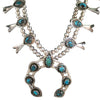
Traditional designs like cluster turquoise rings, squash blossom necklaces, and stamp work cuffs are still loved. At the same time, many artists create clean, minimal shapes, bold inlay bands, and fresh mixes of stones that pair well with everyday outfits and more dressed-up looks.
When you shop, it helps to know the difference between healthy variation in handmade work and signs of mass production. Normal variation includes:
- Slight differences in stone shape or color
- Small marks that show hand setting and polishing
- Unique quirks in stamping or inlay lines
Red flags for low quality factory work can include:
- Rows of stones that all look exactly the same, as if poured from a mold
- Very thin, flimsy metal that bends too easily
- No information at all about metal purity or origin
Authentic pieces can be rugged or refined. The key is not how “old” or rustic they appear, but who made them and how.
Myth Four: Custom Designs Cannot Honor Native Traditions
Another myth is that custom jewelry cannot respect Native traditions. In truth, it depends on the approach. It is possible to create a custom piece that honors the Southwest without copying tribal symbols or using sacred designs in the wrong way.
For many people, a respectful path is to be inspired by:
- Local stones like turquoise or other regional gems
- Colors of the desert sky, earth, or mesas
- General shapes, such as simple sunbursts or flowing lines
The key is to avoid copying specific ceremonial symbols or patterns that belong to certain tribes. Clear, honest language helps too. During a custom design, we can talk about whether a piece is Native made, Native inspired, or simply Southwestern in style so there is no confusion.
Custom jewelry can be a thoughtful idea for fall occasions, like anniversaries or early gift planning. Some people like engagement rings or right-hand rings that add a touch of turquoise or another stone that reminds them of New Mexico, while still keeping the overall design timeless and personal.
How to Shop Smarter for Native American Jewelry in Albuquerque
Good questions are your best tool when you shop for Native American jewelry in Albuquerque or Rio Rancho. A simple list can help you feel more prepared. You might ask:
- Who made this piece, and what is the artist’s name?
- Is the artist a member of a tribe or a Native artisan, or is this Native inspired?
- What metal is used, and what is the purity?
- Are the stones natural, treated, or imitation?
Once you understand what you are buying, it is easier to match it to your own style. Some people like one statement piece they wear with simple clothes. Others prefer smaller items they can mix into what they already own. You can blend Native or Native inspired jewelry with gold or silver basics, watch bands, or simple chains for a look that feels balanced instead of costume-like.
There are also good times of year to pause and think about your jewelry collection. Early fall, before the busy season kicks in, can be a great moment to refresh your everyday pieces, plan ahead for gifts, or get repairs and appraisals handled. That way, when you do find a piece of Native made or Native inspired jewelry that speaks to you, you can enjoy it with confidence, knowing exactly what it is and why you chose it.
Discover Meaningful Native American Pieces You’ll Treasure
Explore our curated collection of Native American jewelry in Albuquerque to find artwork that reflects your style and story. At Harris Jewelers, we carefully select each piece for its craftsmanship, authenticity, and lasting beauty. If you have questions or would like personal guidance, please contact us so we can help you choose the perfect piece.