Comparing Silver Necklaces to Other Everyday Metals
Why Silver Necklace Jewelry Shines for Everyday Style
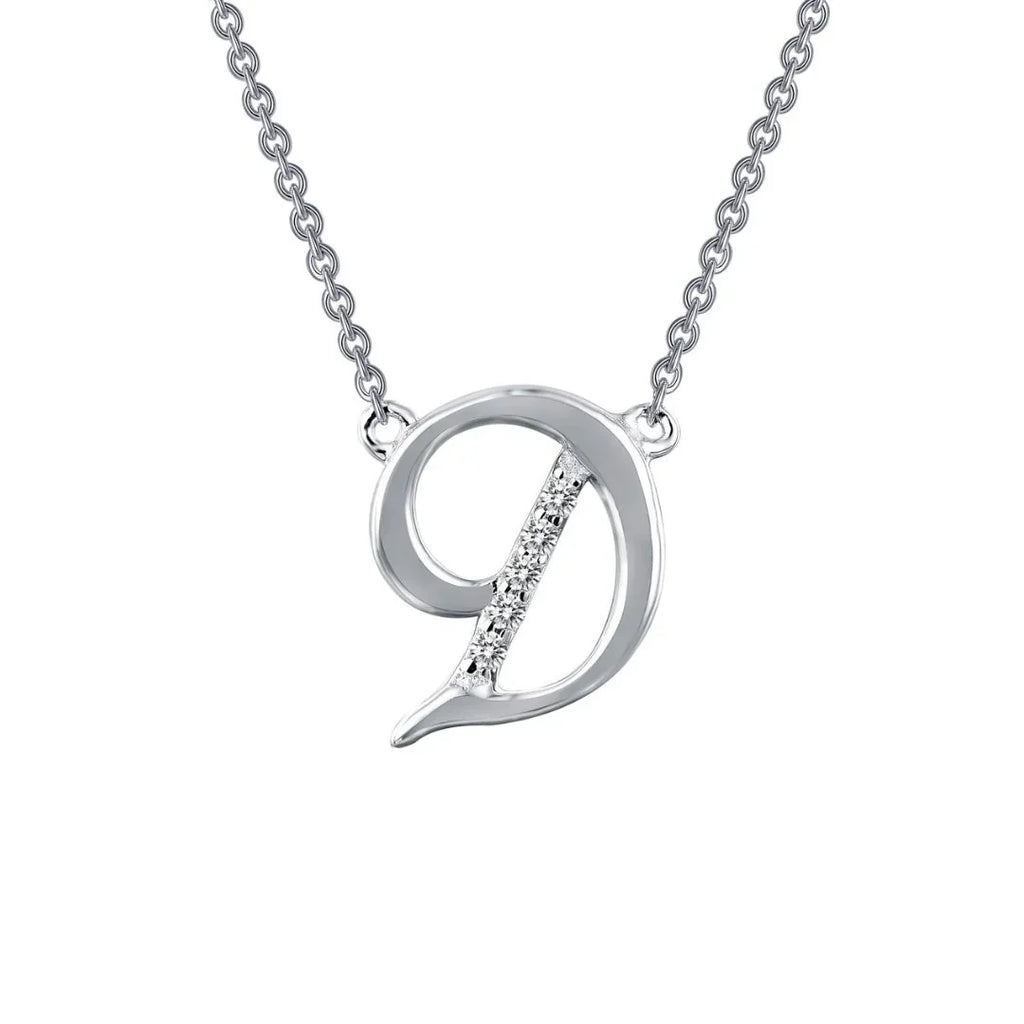
Silver necklace jewelry has become a favorite everyday choice for many people, especially around Rio Rancho and Albuquerque. It feels easy, looks bright, and works with almost anything in your closet. When you reach for one piece before heading out the door, it is often that simple silver chain or pendant.
To really love what you wear every day, it helps to understand what your necklace is made of. In this guide, we are comparing sterling silver to other common metals you see in jewelry: gold, platinum, stainless steel, titanium, and popular plated options. Knowing the differences can help you choose pieces that balance comfort, durability, style, and budget for regular wear.
Our goal is to help you feel confident about your next everyday favorite, whether you lean toward cool silver, warm gold, or a mix of both. Local shoppers can always get hands-on guidance and compare metals in person to see what feels right on their skin and matches their style.
Sterling Silver Basics Every Jewelry Lover Should Know
Sterling silver is not pure silver. Pure silver is too soft on its own, so jewelers use an alloy. Standard sterling silver is 92.5 percent silver mixed with 7.5 percent other metals, usually copper. This blend keeps that bright silver shine but adds strength so your necklace can handle daily life.
Silver necklace jewelry has a cool, clean tone that looks fresh and modern. It works with jeans and a T-shirt, work outfits, and dressy looks at night. Many people find that silver flatters both cool and warm skin tones, especially when it is polished and catching the light.
Like all precious metals, sterling silver does need care. Tarnish forms when silver reacts with sulfur and oxygen in the air, which can give a darker or yellowish film on the surface. For everyday pieces, a few simple habits help:
- Store necklaces in a dry place, away from humidity
- Give them a quick wipe with a soft polishing cloth after wearing
- Avoid harsh chemicals like cleaners, pools, and hot tubs
- Bring them in for a professional clean and check-up now and then
Sterling silver often gives you one of the best balances of value and beauty. You get a real precious metal, not a base metal with a thin coating. It feels special, yet is still comfortable to wear every day.
Silver Versus Gold Necklaces for Daily Wear
Silver and gold give very different looks, even in similar styles. Silver has that cool, icy tone. Yellow gold feels warm and classic. White gold looks somewhat like silver but has a softer, slightly warmer glow. Rose gold has a pink hue that many people see as romantic or trendy.
When you think about how each metal fits your daily life, consider:
- Appearance: silver for cool, light, and modern style
- Gold tones: yellow and rose for warmth, white for a softer neutral
- Skin tone: most people can wear both, so it often comes down to taste
In terms of durability, both sterling silver and gold are made as alloys, so their strength depends on the specific mix. Gold does not tarnish the way silver does, which some people like for very low-maintenance daily wear. Silver may show tarnish over time, especially in humid conditions or if stored in the open, but this can be cleaned.
Gold can scratch, especially in higher karat levels, because it is softer. Sterling silver can also scratch, though small marks often blend into a gentle patina that many people enjoy on well-loved pieces.
For style, silver often leans modern and minimalist. It pairs nicely with cool colors, black, white, and denim. Gold feels a bit more traditional or heirloom. Many people choose:
- Silver for simple chains, bar pendants, and sleek geometric shapes
- Gold for sentimental pieces, family styles, and dressy daily wear
There is no wrong choice. Many jewelry lovers wear both, switching based on outfit and mood.
Silver Compared to Platinum, Stainless, and Fashion Metals
Platinum is another precious metal often used in fine jewelry. Compared to sterling silver, platinum is denser and heavier, so it has a weighty, luxurious feel. It is naturally white, highly durable, and considered a good option for people who need metals that are less likely to irritate the skin. It usually comes at a higher investment level, which makes it popular for special or long-term pieces.
Stainless steel and titanium are common in more industrial-style jewelry. They are very tough and offer great scratch resistance, which makes them appealing for active lifestyles. They usually feel lighter on the neck than platinum and sometimes lighter than certain silver styles, depending on the design. The look is a bit different though, often cooler and grayer, with less of that classic precious-metal glow.
Fashion metals, like brass or base metals with gold plating, can give a fun look at a lower starting cost. The tradeoff is how they age:
- Plating can wear away, especially on high-friction areas
- Color can change or fade over time
- Pieces are often harder or not worth it to repair
Sterling silver usually makes sense when you want everyday necklaces that hold up, can be cleaned, and can often be repaired or resized. It gives you lasting value instead of a quick style that might not survive heavy use.
Comfort, Allergies, and Maintenance for Everyday Metals
Comfort is a big deal when you wear a necklace all day. Weight, temperature, and skin reactions all matter. Some people are sensitive to nickel and other metals used in certain alloys. Sterling silver, platinum, and many gold alloys are often better options for sensitive skin, especially when crafted with care and worn correctly.
Each metal feels a little different on the skin:
- Silver and gold: light to moderate weight, quick to match body temperature
- Platinum: heavier feel, which some people love for a "substantial" piece
- Stainless steel and titanium: often light and cool to the touch
Maintenance needs also differ. Sterling silver will need polishing more often, especially if you live where the air is dusty or dry. Gold and platinum usually keep their color but still benefit from regular cleanings and checks so clasps and chains stay strong.
If you like to layer necklaces in different metals, keep these tips in mind:
- Do not sleep in large, layered stacks to avoid tangles
- Give each necklace its own space when storing
- Untangle knots gently instead of pulling or forcing
Regular professional cleaning and inspection can extend the life of all your everyday metals, from silver to platinum.
How to Choose the Best Metal for Your Silver Necklace Look
When deciding what metal works best for your daily necklace, ask yourself a few simple questions:
- What is my lifestyle like? Office, outdoors, very active, or a mix?
- How sensitive is my skin to certain metals?
- Do I want light and simple, or heavy and bold?
- Do I like a shiny, bright finish or a softer glow?
Silver necklace jewelry can be your main metal, then you can add others around it. Many people start with a favorite silver chain, then:
- Add a gold pendant for contrast
- Mix in a platinum or white gold piece for a special accent
- Choose stainless or titanium for workouts or rough activities
As seasons change, silver looks good with both light summer clothes and deeper fall colors. You can wear a single polished chain for a clean look or mix silver with a touch of gold for extra interest.
Bringing your favorite clothes or current jewelry with you when you shop can help you see what really fits your everyday style. Holding different metals next to your skin and outfits often makes the choice feel clear.
Discover Silver Necklaces That Elevate Every Occasion
Explore our curated collection of silver necklace jewelry to find a piece that reflects your style and feels meaningful every time you wear it. At Harris Jewelers, we carefully select each design so you can choose with confidence, whether you are treating yourself or finding a thoughtful gift. If you would like personal guidance or have questions about a specific piece, please contact us so we can help you choose the perfect necklace.